First Team to Score Betting Through Normal Time Rules
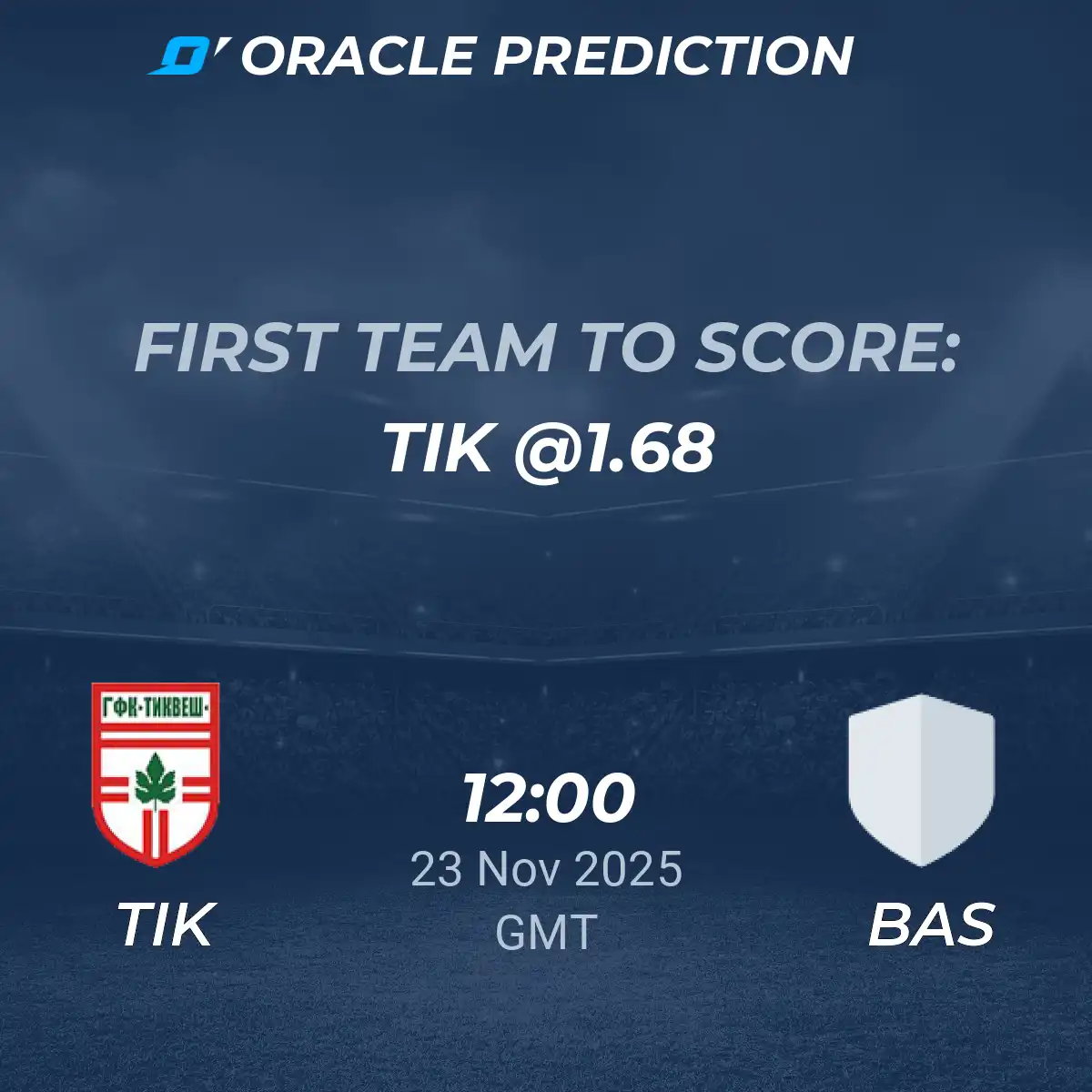
First team to score betting focuses on the team credited with the first qualifying goal inside the named period. William Hill settles the standard market on normal time, including stoppage time, while extra time stays outside the result unless a separate market says otherwise.
Normal time defines the standard market
William Hill’s First Goal market asks the bettor to select the team that scores first. The published rules settle the market on events in normal time, including injury or stoppage time added by the referee.
Extra time does not belong to the standard ninety-minute result. A cup match can remain goalless through normal time and produce a goal later, but that later goal does not rewrite the settlement point of the ordinary football market.
A scoreless match needs its own outcome
In William Hill’s live First Goal market, a final score of 0-0 makes No Goal the winning selection. The market therefore has a path for a match in which neither team scores during the qualifying period.
That condition matters when comparing two versions of the market. A two-team presentation and a three-outcome presentation can display different prices because the treatment of no goal is built into the selection set.
An early goal can settle before an abandonment
William Hill’s abandonment rules allow a market to stand when a winning selection has already been established. In First Goal betting, once one team has scored the first qualifying goal, later abandonment cannot change which team scored first.
The same match may still void unresolved markets such as the ninety-minute winner. Settlement follows the job of each market rather than applying one blanket result to every bet on the fixture.
Second-half first scorer uses a new window
William Hill also lists First Team to Score Second Half. This version ignores the first half and settles only on the second-half period, including its added time. If neither team scores after the break, Neither Team becomes the winning result.
A first-half goal therefore has no value to this market. The selection begins again at the interval, which makes it a separate product from the full-match first-team-to-score line.
Team scoring markets are broader than first goal
A Team to Score market only asks whether a nominated side scores during normal time. It does not require that team to score before its opponent. William Hill states that once the nominated team has scored, the positive outcome is already determined.
That distinction changes both price and abandonment treatment. First Team to Score is decided by sequence. Team to Score is decided by occurrence. Similar wording on the coupon can hide a materially different condition.
Goal timing creates another layer
William Hill publishes markets on the time of a team’s first goal and the half in which that first goal arrives. These products still depend on the nominated team’s first scoring event but attach an additional time boundary.
The market must therefore be matched by both subject and period. A team to score first, a team to score at all, and a team’s first goal after a stated minute are related football ideas, but they do not settle on the same condition.
Internal comparisons work best by settlement job
The cleanest way to review these markets is to group them by what decides the result. Sequence decides First Team to Score. Occurrence decides Team to Score. A time boundary decides the first-goal timing versions.
The same approach is used in our player shots on target betting guide and football Bet Builder settlement article, where apparently similar selections use different settlement tests.